Why Your Reposts Get Shadowbanned (And How to Fix It)

In brief
Reposts get shadowbanned when platforms recognize the upload as a duplicate through perceptual hashing, audio/video fingerprinting or telltale metadata, then quietly cap its reach. The fix is to change those measured signals, modify the media and refresh metadata, so each repost reads as fresh, original content.
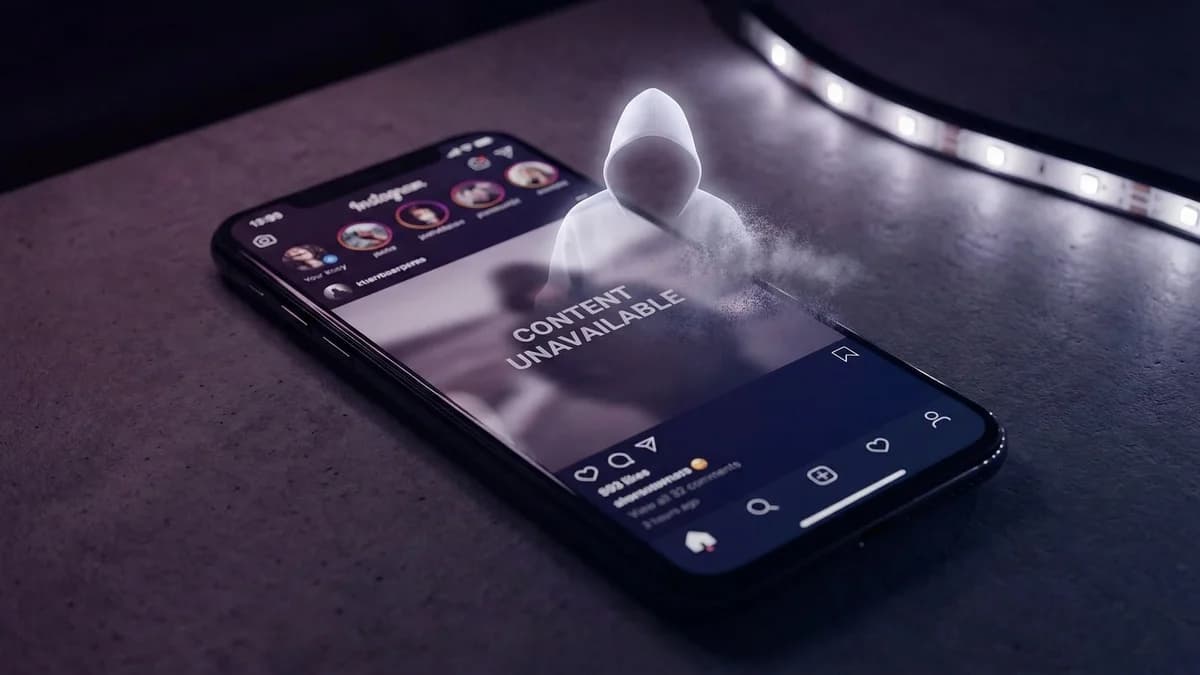
You spent hours curating the perfect post, downloaded the video, re-uploaded it to your account, and waited for the views to roll in. But nothing happened. No likes, no comments, no reach.
Your post exists, but nobody is seeing it. You have been shadowbanned.
Shadowbanning is one of the most frustrating experiences on social media, especially for content curators, theme pages, and anyone who reposts content across platforms. The platform never tells you it is happening.
What Is Shadowbanning?
A shadowban is a silent restriction placed on your account or specific posts by a platform. Unlike a regular ban or content removal where you receive a notification, a shadowban gives you no warning whatsoever. Your content appears normal to you, but the platform quietly suppresses it so that other users rarely or never see it.
Think of it as being placed in an invisible box. You can still post, comment, and interact, but your content is hidden from discovery feeds, search results, hashtag pages, and recommendation algorithms. The platform never tells you this is happening, which is what makes it so insidious.
Shadowban vs. Content Removal: What Is the Difference?
Content removal is explicit. You get a notification saying your post violated community guidelines, and the post disappears. You know it happened and you can appeal.
Shadowbanning is implicit. Your post stays up, your account looks normal, but your reach drops to near zero. There is no notification, no appeal process, and no official acknowledgment from the platform that anything has changed. Most users do not even realize they have been shadowbanned until they notice a sudden and sustained drop in engagement.
How to Tell If You Are Shadowbanned
While platforms never confirm shadowbans, there are reliable indicators:
- Sudden reach collapse: Your posts go from getting hundreds or thousands of views to barely reaching double digits, with no change in your posting behavior.
- Hashtag invisibility: Your posts do not appear under hashtags, even when you check from a different account or while logged out.
- Explore and FYP absence: Your content never appears in discovery feeds, suggested posts, or For You pages despite previously performing well.
- Engagement from followers only: The only people interacting with your content are existing followers who see it directly in their feed, with zero discovery from new audiences.
- Story views dropping: On Instagram, a shadowban often affects Stories too, causing a noticeable dip in story view counts.
Why Reposts Trigger Shadowbans
Platforms do not shadowban randomly. When it comes to reposts, there are specific technical triggers that cause the algorithm to suppress your content. Understanding these triggers is essential if you want to avoid duplicate content penalties on any platform.
Duplicate Hash Detection
Every file uploaded to a social media platform gets fingerprinted using perceptual hashing and, increasingly, deep learning models like SSCD. When you download a video from TikTok and re-upload it to Instagram, the platform compares the fingerprint of your upload against its database. If it matches an existing post, the platform flags it as duplicate content and suppresses its distribution rather than removing it outright.
Stripped or Missing Metadata
Authentic content captured on a phone carries rich EXIF metadata: camera model, GPS coordinates, timestamps, lens information. When you download someone else's content and re-upload it, the metadata is either stripped entirely or remains identical to the original upload. Both scenarios are red flags. Platforms use metadata analysis as one layer of their detection pipeline, and content with suspicious or absent metadata gets deprioritized.
Reported Content
If the original creator or other users report your repost, this dramatically accelerates the shadowban process. Reports trigger manual and automated reviews, and if the content is confirmed as a duplicate, the platform applies restrictions to your account, not just the individual post.
How Each Platform Shadowbans Differently
Instagram's approach is the most gradual and hardest to detect. When it identifies duplicate content, it reduces your post's reach incrementally. Your post will not appear in Explore, it gets deprioritized in hashtag rankings, and Reels are excluded from the Reels tab. Repeated offenses cause account-wide suppression where even original content you post afterward gets reduced reach. Instagram uses Meta's SSCD model for visual fingerprinting, making it one of the most technically sophisticated detection systems.
TikTok
TikTok is more aggressive but more binary. When TikTok detects a duplicate video through its AI fingerprinting system with an 85% similarity threshold, it simply kills the video's For You Page distribution entirely. The video still appears on your profile and your followers can see it, but it gets zero algorithmic push. Since TikTok's entire discovery model is built around the FYP, losing FYP distribution means your video effectively does not exist for 99% of potential viewers.
Facebook takes a feed-suppression approach. Duplicate content gets dramatically reduced distribution in the News Feed algorithm. Your post might technically be visible to your friends or page followers, but Facebook buries it so deep in the feed that almost nobody scrolls far enough to see it. For video content, Facebook also uses Rights Manager, which can demonetize or restrict videos that match registered content in their database.
How to Avoid Getting Shadowbanned When Reposting
Understanding the detection layers is the first step. Avoiding them requires addressing each layer simultaneously.
Make Every File Technically Unique
Simple edits like cropping, adding a filter, or changing the aspect ratio are not enough. Modern detection models analyze deep visual features that survive these surface-level transformations. Your file needs to be unique at the metadata level, the pixel level, and the AI feature level simultaneously.
Inject Authentic Metadata
Rather than uploading files with stripped metadata, which platforms flag as suspicious, inject realistic device metadata that makes the file look like it was freshly captured on a real device. This includes camera model, GPS coordinates, timestamps, and device-specific signatures.
Use Adversarial Modifications
The only reliable way to defeat AI-based detection is with AI-level countermeasures. Adversarial perturbations are invisible modifications to the pixel values that completely change how detection models perceive the image, without any visible difference to the human eye. For a deeper look at how this works, see our guide on how to bypass social media content detection.
How MetaGhost Prevents Shadowbans
MetaGhost addresses every single detection layer that causes shadowbans. It injects authentic device metadata so your file looks like an original capture. It applies pixel-level modifications that change the file's perceptual hash. And it uses adversarial AI to generate invisible perturbations that defeat deep learning copy detection models like SSCD.
The result is a file that is visually identical to the original but registers as completely unique content to every platform's detection pipeline. No duplicate hash match, no metadata flags, no AI detection hit. Your content gets full algorithmic distribution as if it were an original post.
But content is not the only thing that triggers shadowbans. Your bio links can also get flagged by platforms, especially if they lead to external sites that the algorithm considers suspicious. Tools like LinkScale protect your links with cloaking, multi-domain rotation, and deep links that open in the native browser instead of the in-app browser, preventing platforms from tracking and flagging your traffic sources.
Stop losing reach to silent shadowbans. Get started with MetaGhost and make every repost reach its full audience.
Frequently Asked Questions
What is a shadowban?
Reduced, unannounced distribution of your content. Posts still exist but reach far fewer people, so it looks like a sudden drop in performance.
Why do only my reposts get shadowbanned?
Because reposts share a fingerprint with content the platform has already seen. Original uploads do not match anything, so they are not flagged as duplicates.
How do I stop my reposts from being suppressed?
Change the perceptual and audio/video fingerprints and refresh the metadata so each repost is treated as new rather than a recognized duplicate.
Help us improve
Did this guide solve your problem?
Ready to create your next repost?
Try MetaGhost and make every repost unique and undetectable.
Discover MetaGhostRelated Articles
How to Bypass Social Media Content Detection in 2026
A complete breakdown of every detection layer platforms use (metadata, hashing, and AI models) and the only approach that defeats all three simultaneously.
How to Avoid Duplicate Content Penalties on Social Media
What duplicate content penalties are, how each platform handles them, the difference between shadowban and removal, and how to stay visible.
How to Repost Videos on Facebook Without Detection
How Facebook uses SSCD and Rights Manager to flag video reposts, why traditional tricks fail, and how adversarial AI makes your uploads undetectable.
How to Repost on TikTok Without Getting Flagged
TikTok uses AI fingerprinting and an 85% similarity threshold to flag duplicates. Learn how adversarial AI bypasses TikTok detection.
How to Repost on Instagram Without Getting Banned (2026 Guide)
Why Instagram kills reposts, how Content ID and SSCD fingerprinting detect duplicates, and 7 proven techniques to repost safely without shadowbans.
How to Repost Content Without Getting Detected in 2026
Learn how platforms detect duplicate content and how metadata modification combined with adversarial AI can make every repost unique and undetectable.